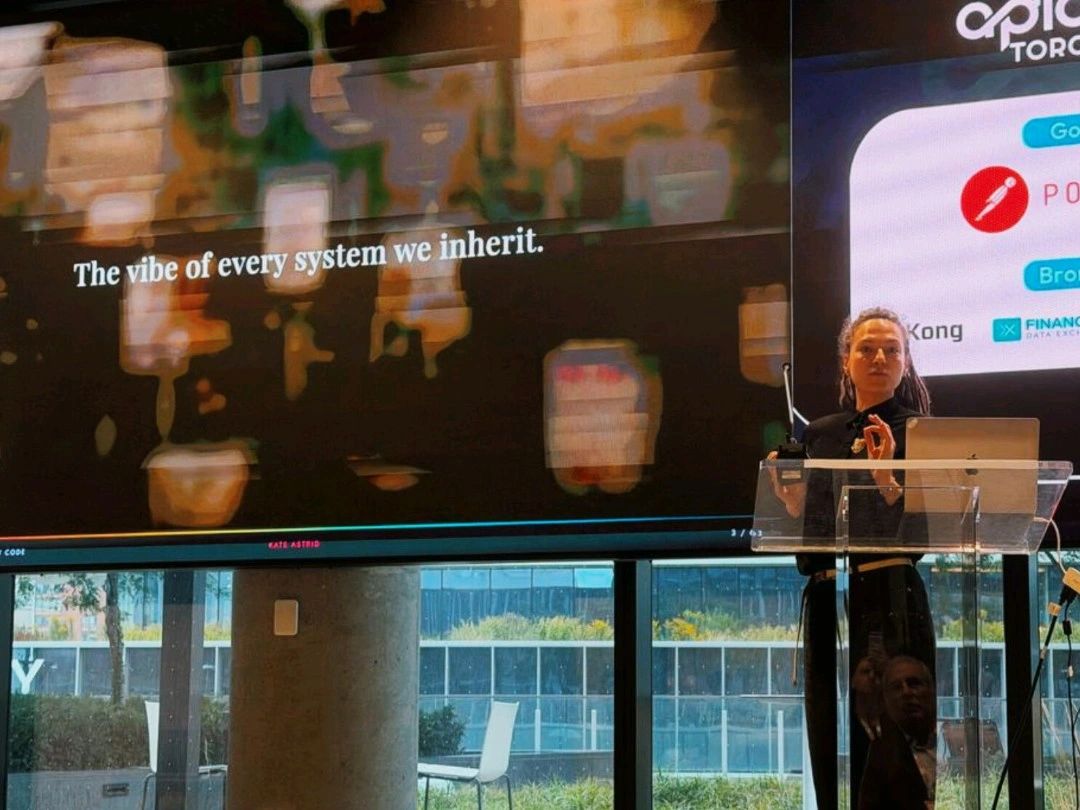
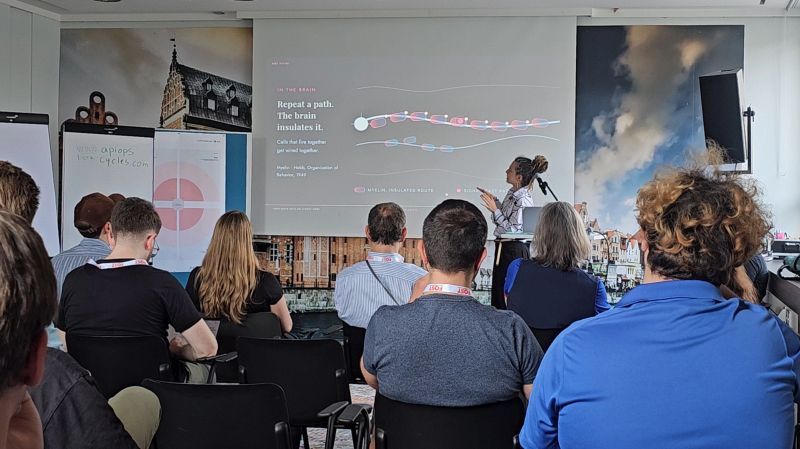
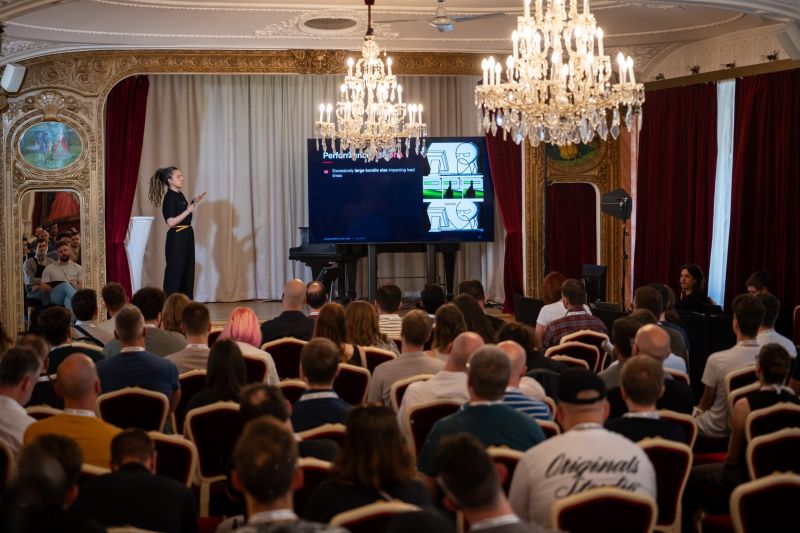
When AI does the easy work, humans get the hard parts. As machines handle routine cases, people inherit the ambiguous ones: deciding whether an answer is actually right, and practicing less of the skills the system now does. This talk looks at what happens to human judgment, expertise, and decision-making when machines increasingly do the thinking with us.
Software engineers know that every system carries the weight of past decisions. The human mind is no different. We all run beliefs, habits, and reactions that were written years ago, often for problems that no longer exist.
Software engineers are trained to find answers and reach a conclusion. This talk is about what happens when confidence becomes certainty, and certainty stops the questions.
Software engineers know that every system carries the weight of past decisions. The human mind is no different. We all run beliefs, habits, and reactions that were written years ago, often for problems that no longer exist.
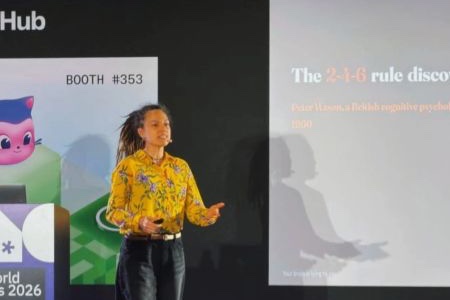
Your Brain Is Lying to You: Cognitive Biases in Development
WeAreDevelopers World Congress North America · San Jose
We like to think our decisions are logical, but they often are not. Cognitive biases can trick us into choosing the wrong solution, underestimating complexity, or overestimating our abilities.
Software engineers know that every system carries the weight of past decisions. The human mind is no different. We all run beliefs, habits, and reactions that were written years ago, often for problems that no longer exist.
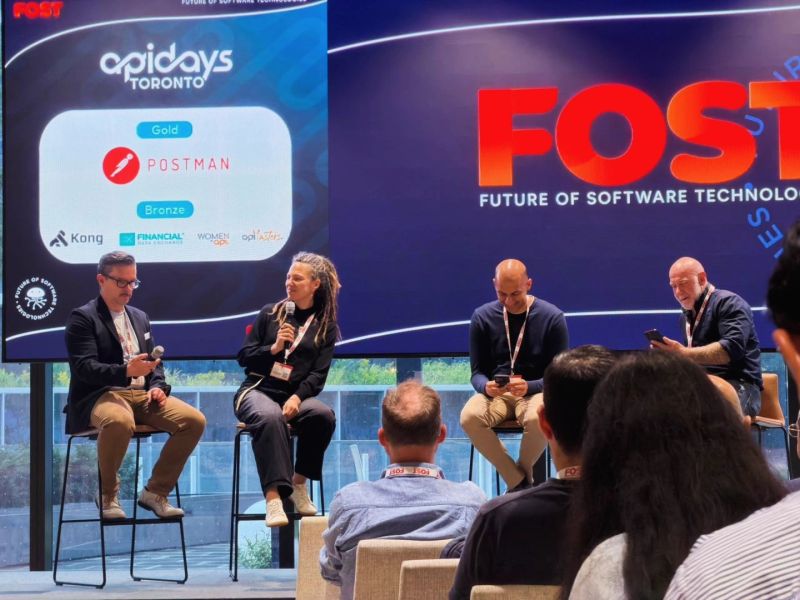
apidays FOST Toronto · panel with Greg, Vivek, and Mark
A conversation on where API strategy is heading: how far APIs and AI will converge, deterministic versus probabilistic approaches, and the skills teams will need.
Software engineers know that every system carries the weight of past decisions. The human mind is no different. We all run beliefs, habits, and reactions that were written years ago, often for problems that no longer exist.
Modern frontend teams often rely on powerful UI frameworks to move fast, but over time those tools can quietly become bottlenecks. This is the story of leaving MUI and rebuilding the component library with CSS and CSS Modules.
Three from my LinkedIn. Click one and it plays here.
About
Before moving into software, I spent five years in cartography and geodesy, followed by five years as a fashion photographer. I also studied land-use planning and translation. These different paths have given me a lasting curiosity about how things fit together, how complex systems work, and how to make complicated ideas easier to understand.
Outside of work, I'm fascinated by cognitive science and quantum physics, and I'm still drawn to the intersection of technology, science, and art.
I mentor on ADPList. I work in English, speak Dutch at an intermediate level, and am eligible to work across the EU.
A few words from people I have worked with
I was preparing for frontend developer job interviews with Kate. She explains difficult things in a simple way, pays attention to details, and always supports you during the preparation process.
Kate and I collaborated closely on a major, high-stakes project soon after I joined, where I witnessed her exceptional technical depth and reliability. From the moment I joined the team, she made me feel welcome and helped me to integrate properly.